Memory care communities stand as beacons of specialized care for seniors grappling with dementia. As cognitive faculties wane, individuals with dementia often necessitate tailored assistance and a nurturing, secure environment. Memory care communities are purpose-built facilities designed to meet these unique needs, offering round-the-clock support from trained professionals. In this in-depth exploration, we'll delve into the key features and benefits of memory care communities, along with valuable resources for families navigating the challenges of dementia care.
Memory care communities, also known as memory support units or Alzheimer's care facilities, are residential settings specifically designed to cater to the needs of seniors with dementia. According to the Alzheimer's Association, approximately 5.8 million Americans were living with Alzheimer's dementia in 2020, with that number expected to rise significantly by 2050. These communities provide a structured environment where individuals receive specialized care tailored to their cognitive impairments. With trained staff members and dedicated memory care programs, these communities offer a safe, supportive space for residents at all stages of dementia.
In 2026, the definition of "Memory Care" has evolved. While standard Assisted Living supports activities of daily living (ADLs) like bathing and dressing, true Memory Care provides "Cognitive ADLs." This includes orientation to time and place, behavioral redirection, and specialized communication techniques that reduce the "agitation and aggression" often associated with middle-to-late stage dementia.
Specialized Care and Trained Staff Memory care communities employ staff members who undergo specialized training in dementia care techniques, ensuring residents receive compassionate and knowledgeable support. In Florida, specific regulations—such as those outlined in Senate Bill 1404 (2026)—now require assisted living facilities that claim to provide memory care to obtain a specific "Memory Care Services License." This ensures that staff are not just general caregivers, but specialists trained in elopement prevention and therapeutic communication.
Each resident receives a personalized care plan tailored to their individual needs and preferences, addressing both medical and emotional aspects of dementia care. Round-the-clock supervision ensures the safety and well-being of residents, providing peace of mind for families.
Safe Environment and Innovative Design
Memory care communities feature secure entrances, monitored access points, and enclosed outdoor areas to prevent wandering. A hallmark of 2026 design is the "Placekeeping" movement—incorporating familiar local elements into the architecture. For West Palm Beach residents, this might include familiar coastal colors and artwork that triggers long-term "spatial memories."
Environmental factors such as lighting consistency, noise control, and clear wayfinding are treated as clinical requirements. Research shows that "Quiet Prioritization"—the use of sound-absorbing materials and acoustic zoning—significantly reduces anxiety and improves sleep quality for residents.
The 2026 Tech Revolution in Memory Care Modern technology has moved beyond simple cameras. Today’s premier facilities in Jupiter and West Palm Beach utilize:
Cognitive Stimulation through Sensory Gardens
One of the most effective therapeutic tools in 2026 is the sensory garden. These secure outdoor spaces are designed to engage all five senses. The scent of lavender or rosemary can trigger deep-seated memories, while the tactile experience of gardening provides a sense of purpose. Walking through these gardens also helps regulate circadian rhythms through natural light exposure, leading to better sleep patterns.
Life Skills Stations To foster a sense of independence, many communities incorporate "Life Skills Stations." These are interactive areas that replicate familiar environments, such as a nursery, a small office, or a kitchen. Residents can engage in familiar tasks—like folding "laundry" or "sorting mail"—which provides sensory stimulation and a feeling of accomplishment.
One of the most pressing questions families ask at 561-879-8850 is regarding cost. In 2026, the average monthly cost for memory care in Palm Beach County is approximately $5,260, which is roughly 20% to 30% higher than standard assisted living. This premium covers the higher staffing ratios—often 1 caregiver to every 5 or 6 residents—and the specialized security infrastructure.
Funding and Assistance in 2026
When touring a community in Jupiter or West Palm Beach, use the following "Expert Advisor" criteria:
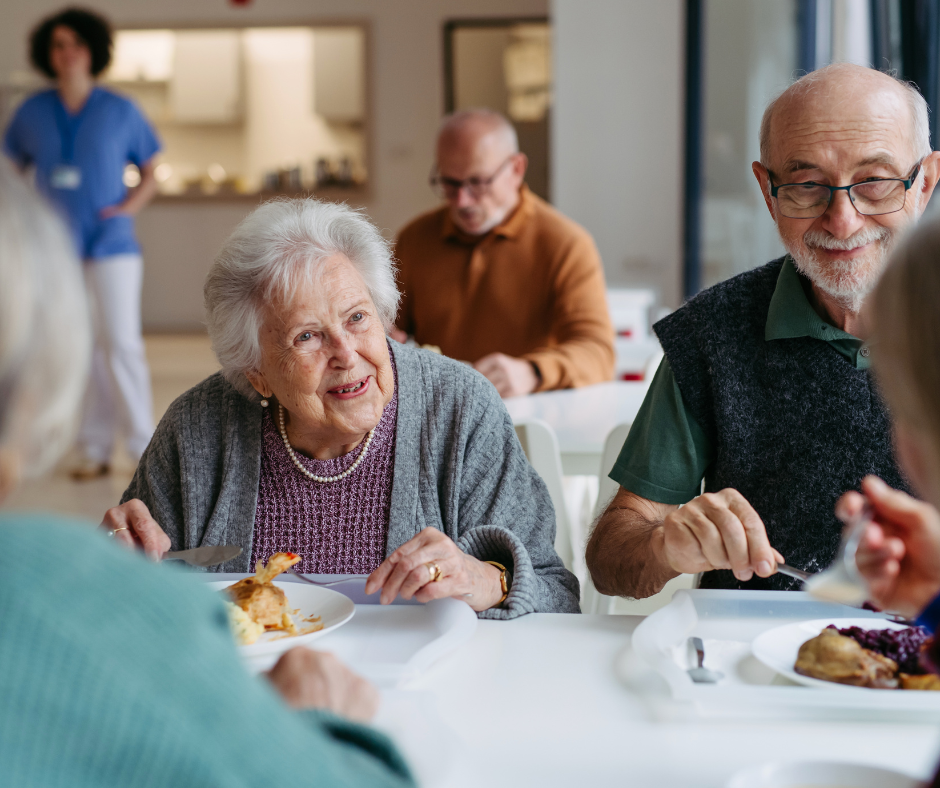
Memory care communities play a crucial role in providing specialized support and care for seniors with dementia. With their trained staff, safe environments, stimulating activities, and supportive services, these communities offer a holistic approach to dementia care that enhances the quality of life for residents and provides peace of mind for families. By utilizing valuable resources and support networks, families can navigate the journey of dementia care with confidence and compassion.
Take the first step towards finding the right care option by reaching out to Elder Care Finders at 561-879-8850 or visiting our website. With our assistance, you can make informed decisions and ensure the best possible care for your loved one with dementia.
Here’s why we stand out:
Compassionate guidance: Choosing senior independent living communities can be an emotional journey. We provide support and understanding to help you feel confident in your choice.
Personalized service: We take the time to understand your unique needs, preferences, and goals to recommend tailored options.
Trusted expertise: Our team has extensive knowledge of independent living communities and works closely with reputable facilities to ensure quality recommendations.
Time-saving solutions: We do the research for you, presenting options that match your criteria and simplifying the decision-making process.
We also provide expert placement services in other types of senior communities, such as: